You know, in today’s world, where car tech is advancing so fast, the need for
top-notch parts that boost not just performance but also style is
pretty much unavoidable. One of those hot items right now?
Automotive Display Glass.
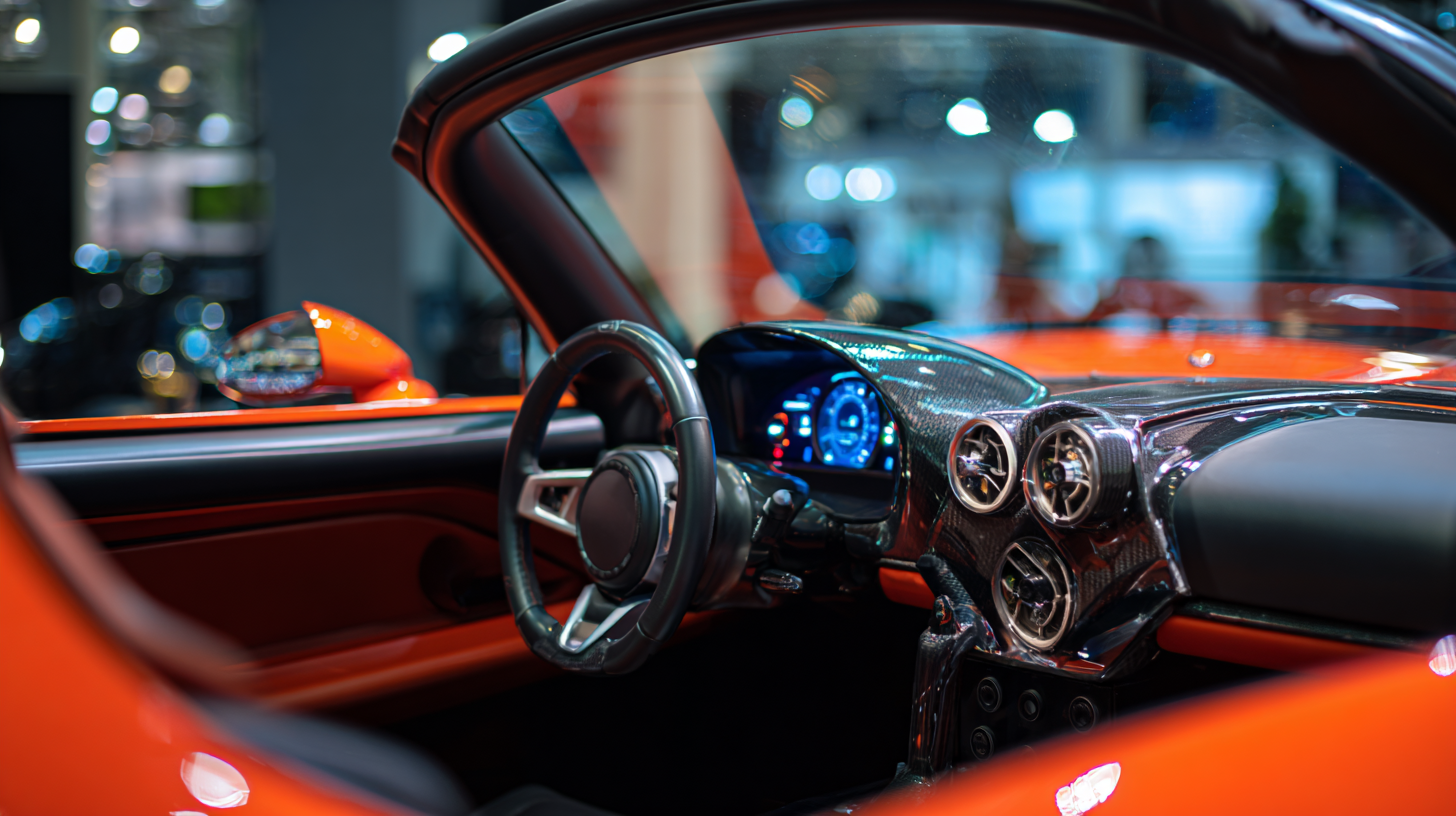
It’s not just about protecting those sleek display screens inside the car — it also adds a bit of
class to the overall look.
Dongguan Fuxin Glass Technology Co., Ltd. has really been leading the charge here.
They’ve spent over ten years perfecting different kinds of display glass like
AG, AR, AF, and AM glasses. If you pick
Automotive Display Glass for your next project, you’re
tapping into decades of expertise and quality that can really help your designs stand out —
maybe even go beyond what people are expecting these days.
Keep reading to find out why adding
Automotive Display Glass might just take your
project to the next level!
Advantages of Automotive Display Glass Over Traditional Materials
When you're trying to pick out materials for car displays, automotive display glass really stands out — mainly because it outperforms the typical stuff like plastic or polycarbonate. I recently read a report from Transparency Market Research that says the global market for automotive displays could hit around $30 billion by 2025, mostly because there's a growing need for lightweight, durable materials. What’s cool about this glass is that it helps cut down the overall weight of vehicles and also boosts clarity and brightness — perfect for high-resolution screens that just look sharper and more vibrant.
Plus, automotive display glass is built tough. It's resistant to scratches, UV rays, and even temperature swings, so your display stays looking good and works well over the long haul. According to a study from Allied Market Research, glass displays can cut glare by up to 90% compared to older materials — which makes things safer and more comfortable for drivers and passengers alike. As cars become smarter, more connected, and more automated, using this kind of display isn’t just a passing trend; it’s pretty much a must-have for manufacturers who want to wow tech-savvy customers with top-notch quality and innovation.
5 Compelling Reasons to Choose Automotive Display Glass
This bar chart illustrates five key advantages of automotive display glass over traditional materials, rated on a scale from 1 to 10. Each factor highlights the strengths that make automotive display glass a compelling choice for future projects.
Key Features That Set Automotive Display Glass Apart
Thinking about materials for your next car project? Automotive display glass is pretty much a game-changer, offering some really cool features that boost both how it looks and how it works. One of the biggest perks? Its brightness and visibility are top-notch. I read somewhere (thanks, Transparency Market Research) that the market for this kind of glass might hit over $10 billion by 2025 — crazy, right? That’s mostly because everyone wants crisp, high-def displays in their cars these days. And honestly, this glass is perfect for things like advanced driver-assistance systems (ADAS) and heads-up displays (HUD), making it easier and safer for drivers to navigate on the road.
But it’s not just about the picture quality. This display glass is super durable, too. It’s designed to handle all sorts of stresses—hot or cold temperatures, bumps, impacts—you name it. Plus, with some special coatings, it resists scratches better and cuts down on reflections, which is a big deal given how much tech is packed into modern cars. A recent study from MarketsandMarkets mentions that laminated glass in particular is really on the rise because it packs multiple features that modern vehicles need.
Here’s a tip if you’re on the hunt for this kind of glass: think about what your project actually needs—like weight, size, and whether it plays nice with your existing tech. It’s a smart move to work with suppliers who can customize solutions for you. Also, keep an eye on the future—car tech is moving fast, so it helps to choose options that won’t become obsolete in a year or two.
Performance Comparison: Automotive Display Glass vs. Conventional Options
When you're looking at the automotive world, choosing between traditional options and modern automotive display glass really makes a difference — not just in how things look, but also in how well everything works. These days, display glass has come a long way thanks to cutting-edge tech, improving stuff like durability, keeping the weight down, and making the visuals crisper and clearer. Unlike the older materials, high-tech display glass does a much better job at cutting down glare and eliminating distortion, which makes for a much better driving experience overall.
Plus, there's a clear push towards more sustainable practices across the auto industry. Using lightweight materials like advanced display glass helps boost fuel efficiency and cut down on environmental impact. By incorporating these kinds of high-tech materials, car makers can create vehicles that not only look pretty slick but are also kind to the planet — a win for eco-conscious folks out there.
**Some tips if you’re thinking about picking out display glass:** First off, make sure it performs well in different lighting conditions—that’s key to keeping everything sharp and clear. Also, don’t forget about the weight; lighter glass can really help your vehicle run more efficiently. And finally, it’s worth checking out companies like Dongguan Fuxin Glass—they’re right at the forefront when it comes to innovative glass tech, so you can rest assured you're getting the latest and greatest in automotive display solutions.
Design Flexibility: Customization Potential of Automotive Display Glass
When it comes to car interiors these days, automotive display glass is really shaking things up. Manufacturers now have crazy cool new options to customize their vehicles like never before. With more folks jumping on the electric vehicle bandwagon, display tech has hit a whole new level — blending beauty with functionality, you know?
Lately, I’ve seen reports that the market for flexible electronics is booming, which makes sense because people want materials that can adapt to different styles and preferences. As these vehicle displays get more advanced, there's a real buzz around creating unique shapes and tailored interfaces that fit seamlessly with the rest of the car’s design — it’s like the possibilities are endless.
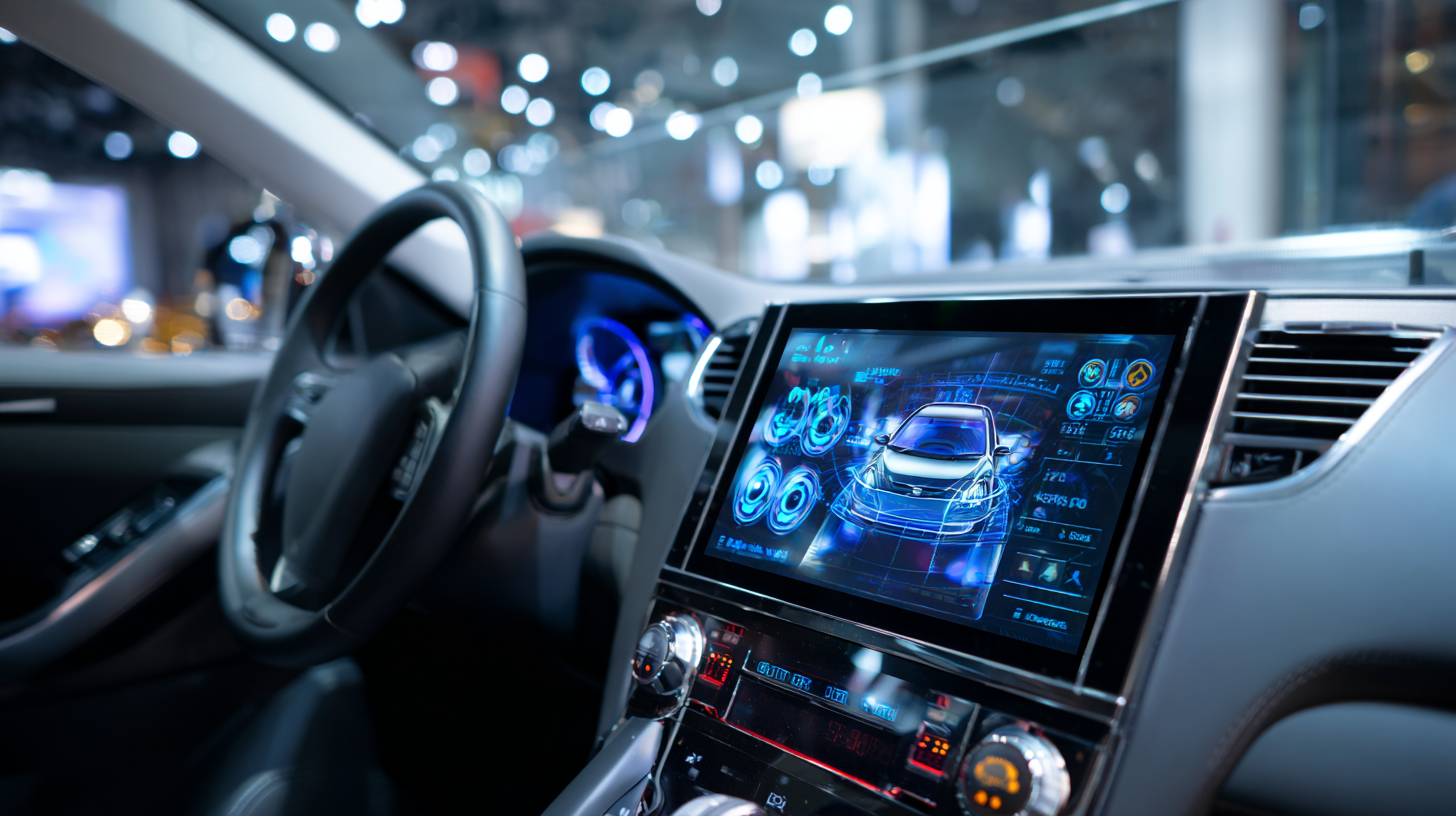
Honestly, the kind of design flexibility automotive display glass offers right now is just mind-blowing. Thanks to the latest tech, we’re talking about displays that can curve in complex ways and configurations that totally change the game.
This doesn’t just make the experience more immersive but also lets people inject a bit of their personal style into their rides. I read that from 2025 to 2035, the flexible glass market is expected to grow like crazy — fueled by all the new foldable gadget innovations and immersive display tech we’re seeing.
All in all, these advancements are giving car makers the chance to explore wild new design ideas and create vehicles that really connect with both drivers and passengers on a more personal level.
Durability and Safety: Assessing Automotive Display Glass Superiority
When it comes to making cars, the materials we use really need to be tough and safe—no two ways about it. Lately, automotive display glass has been gaining a lot of ground over the old-school materials. Thanks to some pretty cool tech upgrades, manufacturers now can produce glass that’s not just durable enough to handle rough conditions, but also offers better clarity and display quality. That’s especially important with today's cars, which are packed with all sorts of infotainment and navigation systems that drivers rely on.
If you’re thinking about using automotive display glass for your next project, it’s worth taking a close look at the different types out there—like AG, AR, AF, and AM glass. Each one has its own strength and purpose, striking a good balance between good looks and tough resilience. For example, AR (anti-reflective) glass really helps cut down on glare, which makes a big difference for driver visibility and safety.
Pro tip: Make sure to go for suppliers who put real effort into R&D—those are the ones pushing the boundaries of quality and innovation. Also, think about how different glass types will work with the other materials in your design. Combining them smartly can make your vehicle lighter and stronger, boosting both safety and performance in the long run.
Cost-Effectiveness Analysis: Long-Term Benefits of Choosing Automotive Display Glass
When you're looking at materials for your automotive projects, it’s pretty clear that automotive display glass is actually a pretty smart investment. One of the best long-term perks? Its durability. Unlike some traditional materials, this type of glass is designed to handle all kinds of tough environmental stuff—like extreme weather—so you don’t have to worry about replacing it all the time. That means fewer hassles and lower maintenance costs down the road. Plus, it makes the vehicle safer too—less chance of shattering and better visibility overall.
And here’s another thing—using automotive display glass can even help with fuel efficiency. Car makers are always trying to cut down on weight to make their vehicles more economical, and lightweight display glass is a great way to do that without sacrificing quality or style. When your car is lighter, it generally uses less fuel, which means you'll save money on gas in the long run. All in all, with its durability, safety benefits, and fuel-saving potential, automotive display glass really stands out as a smart choice if you’re aiming to get the best bang for your buck on your next project.
Enhance Your Space with Transparent AF: The Ultimate Anti-Fingerprint Coated Glass Solution
Transforming your living or working space can be as simple as upgrading your glass surfaces. With Transparent AF, you can experience the ultimate solution for anti-fingerprint and anti-fouling needs. This innovative glass technology is inspired by nature, specifically the lotus leaf, which is renowned for its self-cleaning properties. By applying a specialized nano chemical coating to the glass surface, Transparent AF effectively minimizes surface tension, significantly reducing the area where dust and grime can settle. This means less cleaning and more time to enjoy your beautifully maintained environment.
The remarkable hydrophobic and oleophobic qualities of Transparent AF glass also ensure that water and oil simply bead up and roll off, keeping your surfaces pristine and shiny. Whether it’s a sleek video display panel in your office or a stylish glass tabletop at home, this advanced coating provides a reliable barrier against smudges and fingerprints. With a reduction of up to 90% in dust adhesion, the surfaces remain looking fresh and vibrant for a long time, allowing you to maintain a spotless aesthetic effortlessly. Enhance your space with Transparent AF and enjoy the perfect blend of functionality and beauty.
FAQS
: Automotive display glass offers superior performance characteristics, including reduced weight, enhanced clarity and brightness, resistance to scratches and UV rays, and improved longevity compared to traditional materials like plastic or polycarbonate.
Automotive display glass is lightweight, which contributes to the overall reduction of vehicle weight, helping manufacturers improve fuel efficiency and reduce fuel costs for consumers.
According to a report by Transparency Market Research, the global automotive display market is expected to reach USD 30 billion by 2025, driven by the increasing demand for lightweight and durable materials.
Automotive display glass can reduce glare by up to 90% compared to traditional materials, providing a safer and more comfortable user experience for drivers and passengers.
Automotive display glass is engineered to withstand harsh environmental conditions, making it resistant to scratches, UV rays, and temperature fluctuations, ensuring prolonged longevity and aesthetic appeal.
The durability of automotive display glass reduces the frequency of replacements and maintenance costs, making it a cost-effective investment in the long term.
The use of automotive display glass enhances vehicle safety by preventing shattering and improving visibility for drivers.
Yes, as vehicles evolve with automation and connectivity, adopting automotive display glass is essential for manufacturers aiming to deliver quality and innovation to tech-savvy consumers.
The long-term benefits include durability, reduced maintenance expenses, improved fuel efficiency, and enhanced safety, making it a compelling choice for automotive projects.